About
Karma Kelvin Centre grew from a simple belief.
When someone needs help, someone should be willing to show up. That idea, more than any formal plan, is how this work began — and it still shapes how it happens today.
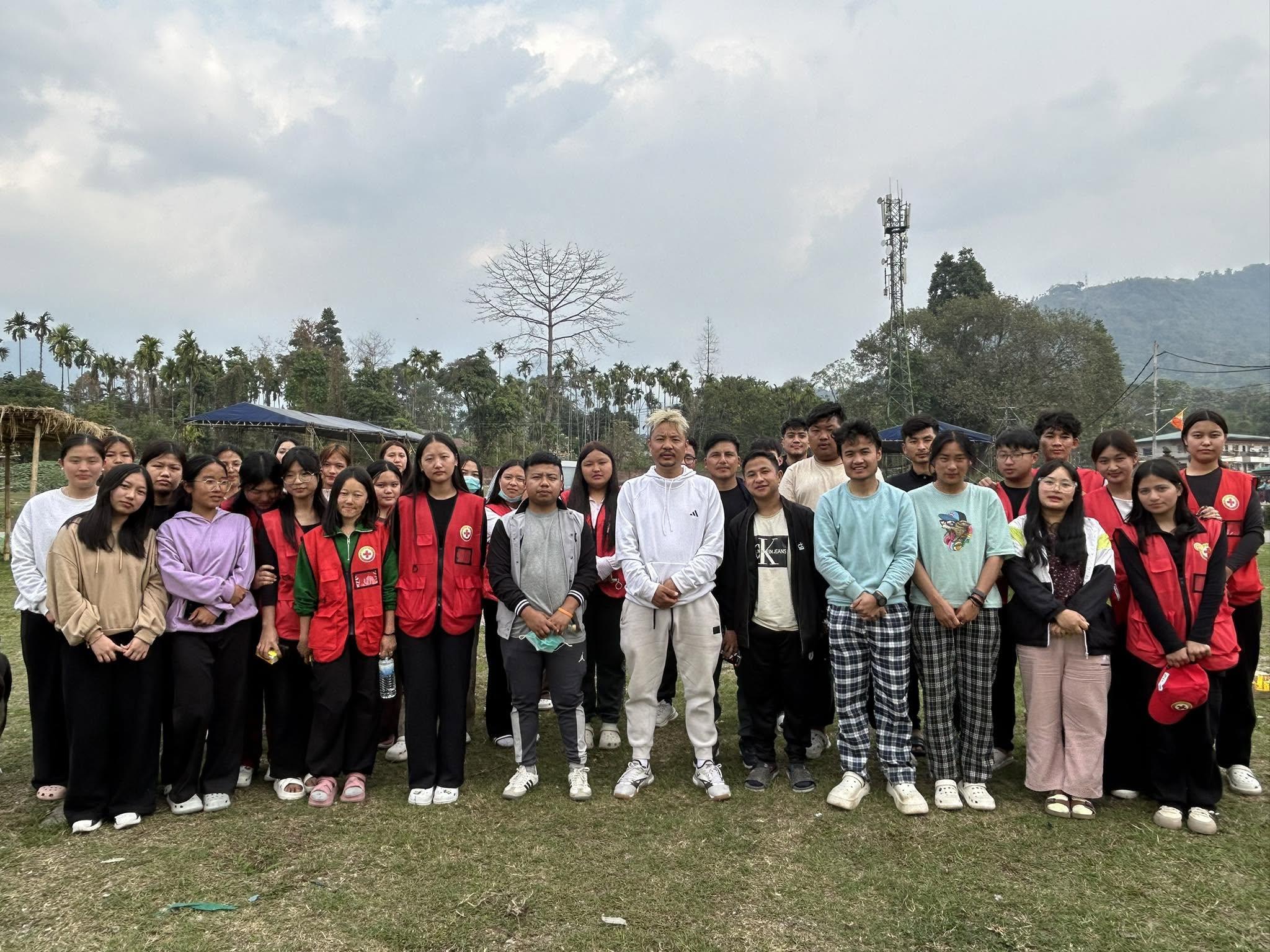
Why it exists
Not every need fits a form.
Bhutan has strong communities, but not every person facing hardship has an easy path to support — whether that is a family struggling to afford essentials, an elderly person without nearby family, or someone managing a disability with little outside help.
Karma Kelvin & Team exists to close some of that distance: between a person who needs something specific, and the people and resources that can provide it.
How it began
Grassroots, from the start.
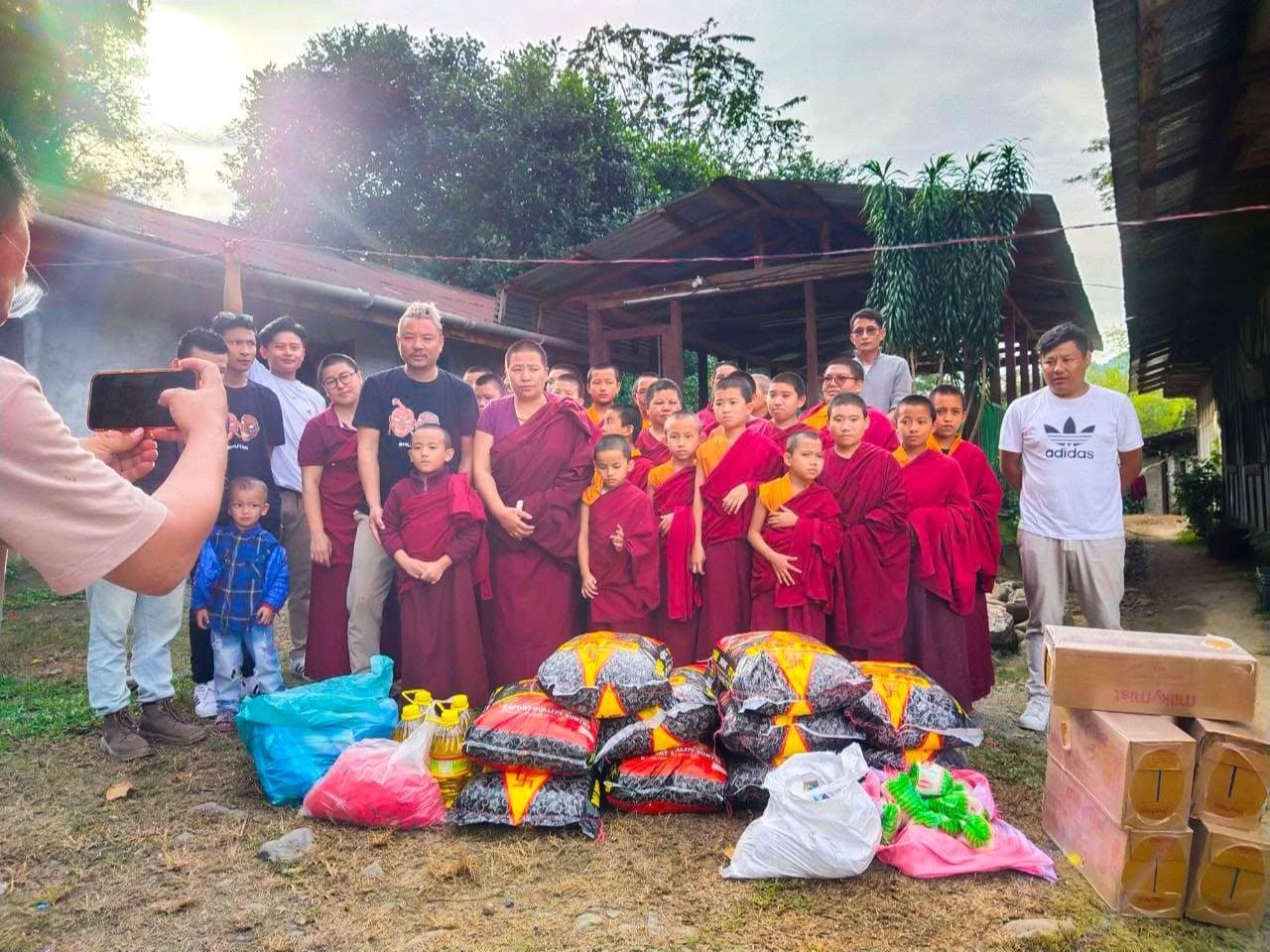
This work did not begin as an organisation. It began with Karma Kelvin Dorji meeting individual people — hearing their circumstances directly, and asking what would actually help.
A significant early connection was with Thinley Gyeltshen of Rangshikhar, Trashigang, whom Karma met through TikTok. That relationship, and the public attention it drew, became part of a pattern: stories, told honestly, tend to move people to act.
Social media as a tool
From a phone screen to a doorstep.
Facebook and TikTok are central to how this work happens — not as promotion, but as infrastructure. They are how people in need are identified, how their stories reach potential donors, and how volunteers and supporters coordinate.
A post can become a delivery of food, a piece of medical equipment, or a trip to a remote district. Social media shortens the distance between someone asking and someone answering.
Our approach
Service before recognition.
There is no complicated philosophy behind the work. Its values can be understood through the way people are approached, supported and spoken about.
Dignity first
People receiving support are people before they are beneficiaries. Their circumstances should never define their worth.
Listen before acting
Useful support begins by understanding what somebody actually needs rather than deciding for them.
Practical over performative
The purpose is not simply to talk about a problem. It is to find something useful that can be done.
People helping people
The work becomes possible when individuals, volunteers, communities and donors choose to participate.
Service without expectation
“We are here to serve, not to be served” remains the simplest expression of the idea behind the initiative.
A wider circle
No single person does this alone.
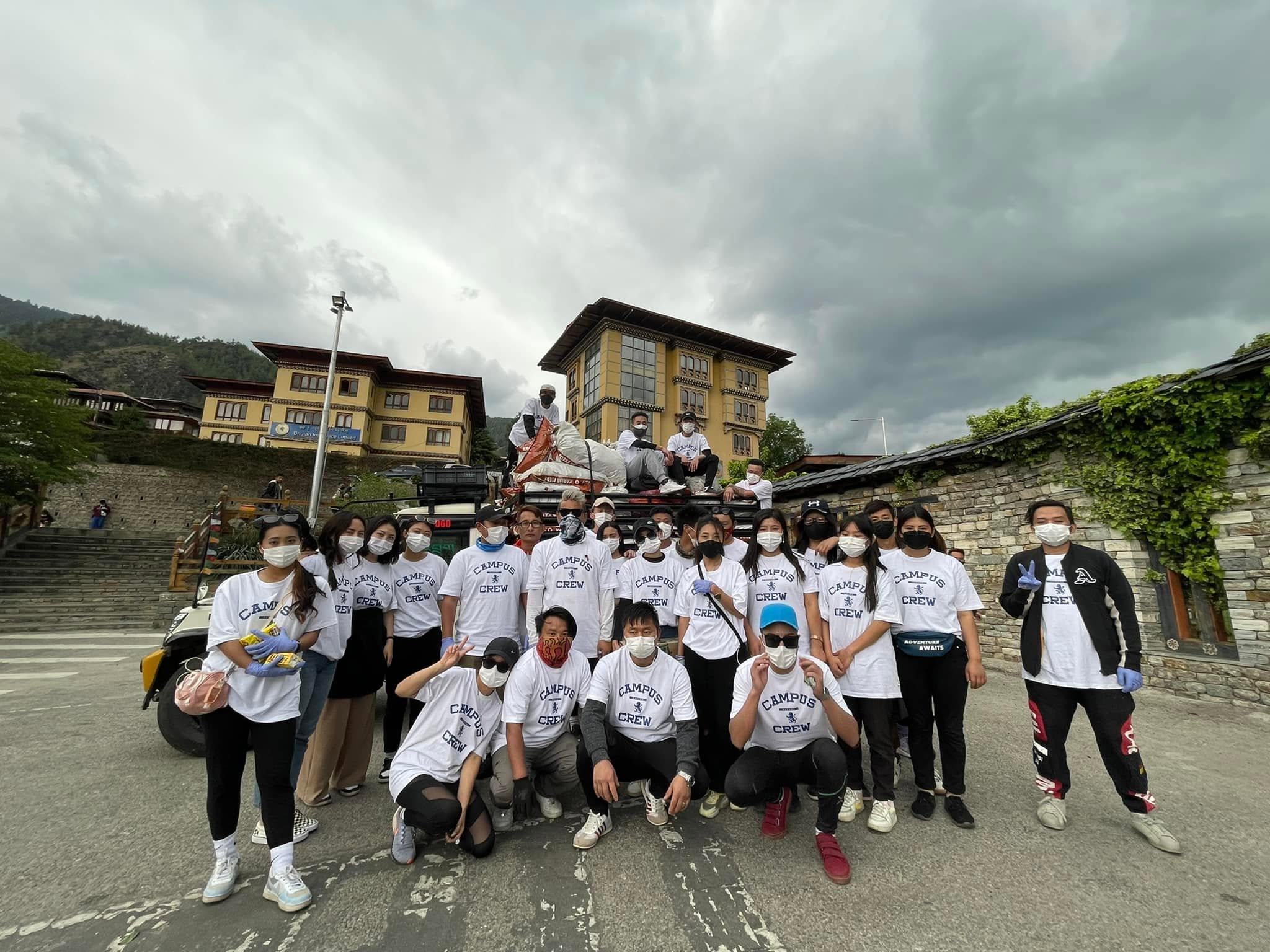
Karma Kelvin may be the most visible face of the initiative, but community service grows through participation. A person who shares an urgent case, someone who provides transport, a donor who contributes equipment, a volunteer who gives time, and a family willing to reach out can all become part of the same chain of support.
The strength of the initiative is therefore not only what one organisation can provide. It is the ability to bring together people who have something to offer with people facing a specific need.
One need. Many hands. One community.
Karma Kelvin Centre
More than a place to receive help.
Karma Kelvin Centre represents the more sustained side of the initiative’s work. BBS documented the Centre providing accommodation and ongoing care for two girls living with disabilities, from Dagana and Samtse.
By December 2024, they had reportedly been staying at the Centre for around four months. Volunteers also helped them attend Bhutan’s National Day celebrations at Changlimithang, giving them the opportunity to participate in an important national occasion.
The story matters because it shows that support is not always a delivery or donation. Sometimes it means creating continuity, care and a place where someone can feel included.
Philosophy
“We are here to serve, not to be served.”
It is a short line, but it sets the terms for everything else — recognition is welcome, but it was never the point.
Then and now
What began person by person became a wider community.
The initiative did not begin with an office, a website or a formal campaign. It grew through individual encounters, stories shared online and a willingness among ordinary people to respond. Over time, those connections created a recognisable community-service network — one capable of mobilising essential items, medical equipment, volunteers and public attention around people facing difficult circumstances.
2023
Wider national attention
Karma Kelvin Dorji's community-service work reaches a wider national audience, including a BBS Guest of the Week feature alongside Thinley Gyeltshen of Rangshikhar, Trashigang.
BBS Guest of the Week2024
A Centre for Hope
BBS documents Karma Kelvin Centre providing ongoing care and accommodation for two girls with disabilities from Dagana and Samtse, describing it as a “Centre for Hope.”
BBS2025
Uniting voices for healthier communities
Karma Kelvin takes part in a Ministry of Health workshop bringing together influential public voices to support healthier, happier communities across Bhutan.
Ministry of Health17 December 2025
National Order of Merit — Bronze
Karma Kelvin Dorji receives the National Order of Merit (Bronze) from His Majesty The King during Bhutan's 118th National Day, in recognition of his service through volunteerism.
The Bhutanese2026
Breathing easier
Reporting documents more than 40 patients supported with oxygen concentrators, supplied through donations mobilised by Karma Kelvin and his team during a period of shortage.
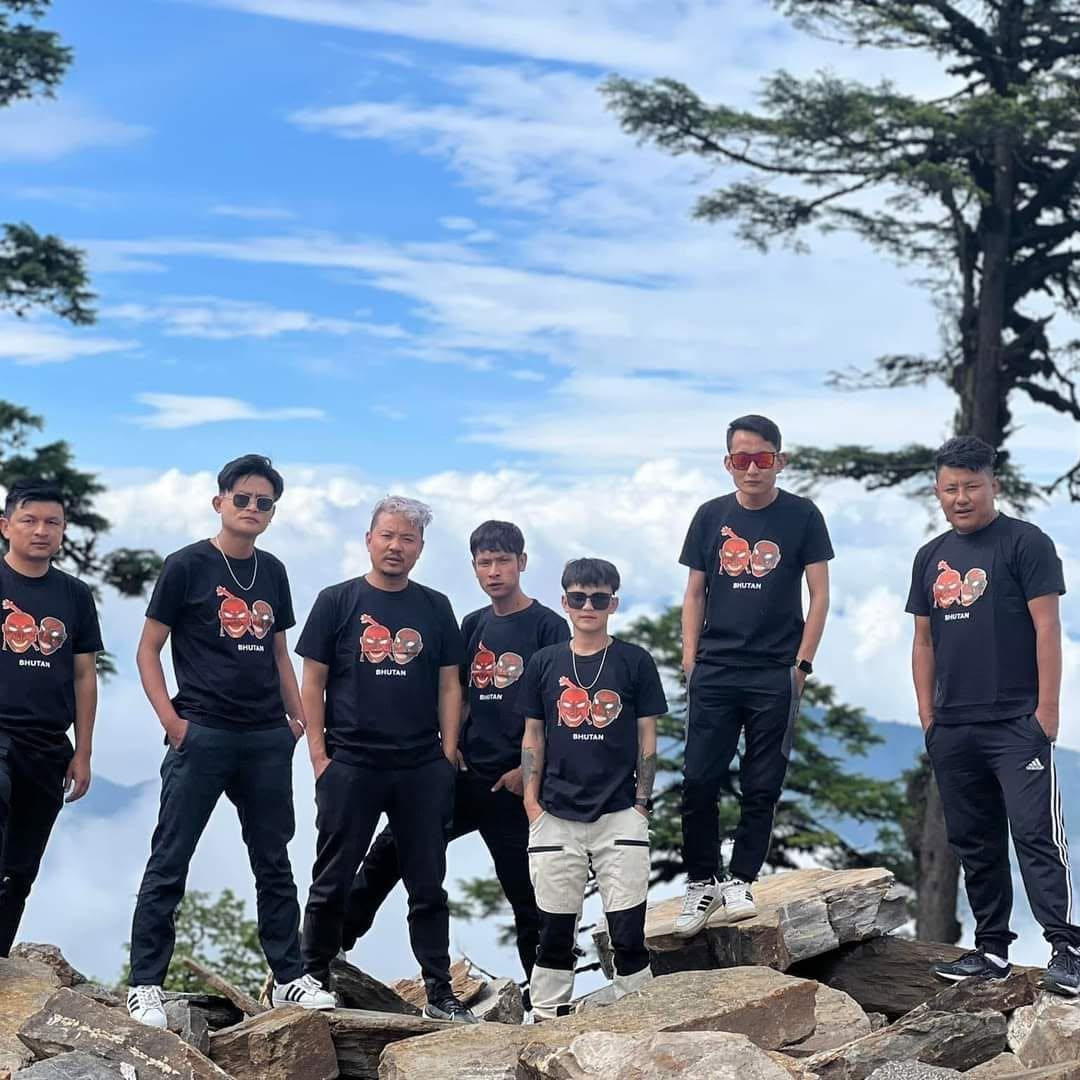
Meet the person behind the work.
Karma Kelvin Dorji's own path to community service is a story worth hearing in full.